
Top 10 mistakes collectors make when storing PSA cards
Whether you own 10 PSA slabs or 1,000, proper storage is essential to preserving the value and condition of your collection. Many collectors assume that once a card is encapsulated by PSA, it is completely protected. In reality, graded cards remain vulnerable to environmental damage, scratches, and improper handling.
After reviewing common advice from collectors, dealers, and grading enthusiasts, three threats consistently stand out: humidity, UV exposure, and slab scratches.
Key takeaways
- Humidity is one of the biggest long-term threats to PSA cards.
- Direct sunlight can fade cards and PSA labels over time.
- Most slab scratches happen because cards rub against each other during storage or transport.
1. Ignoring humidity
Humidity is arguably the biggest long-term threat to a card collection.
While PSA slabs provide excellent protection, they are not completely airtight. Excess moisture can eventually affect the card, label, or internal components of the slab.
High-humidity environments include basements, garages, attics, storage units, and coastal areas. Over time, moisture can contribute to card warping, surface issues, and label deterioration.
How to avoid it
- Store slabs in a climate-controlled room.
- Use silica gel packs in storage cases.
- Avoid damp areas of the home.
- Consider a dehumidifier if you live in a humid climate.
2. Exposing slabs to direct sunlight
Many collectors enjoy displaying their favorite cards, but direct sunlight can slowly damage both the card and the PSA label.
UV rays can cause fading colors, label discoloration, reduced eye appeal, and lower resale value. This damage happens gradually, making it difficult to notice until it is too late.
How to avoid it
- Keep displays away from windows.
- Use UV-protected display cases.
- Rotate displayed cards periodically.
- Store high-value slabs in dark environments when not being viewed.
3. Allowing slabs to scratch against each other
One of the most common mistakes collectors make is assuming the slab itself does not need protection.
While the card inside remains safe, PSA cases can easily develop scratches, scuffs, and surface wear when they constantly rub together.
Collectors often discover this after years of storing slabs loose inside bins or boxes. The card may still be protected, but the slab itself can look worn, which can affect presentation and resale appeal.
How to avoid it
- Use slab sleeves.
- Store slabs vertically.
- Use dividers to separate sections.
- Prevent movement during transport.
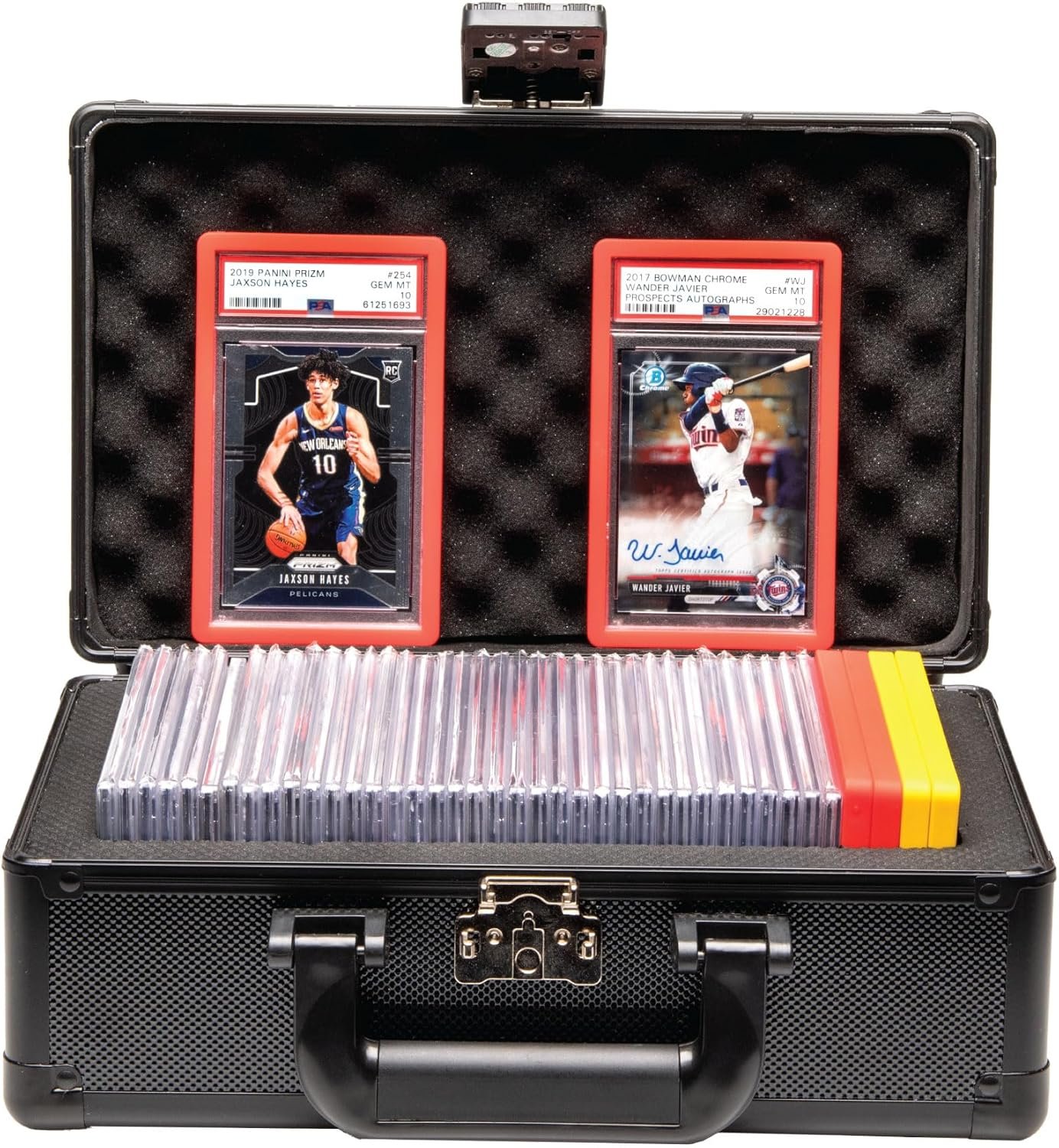
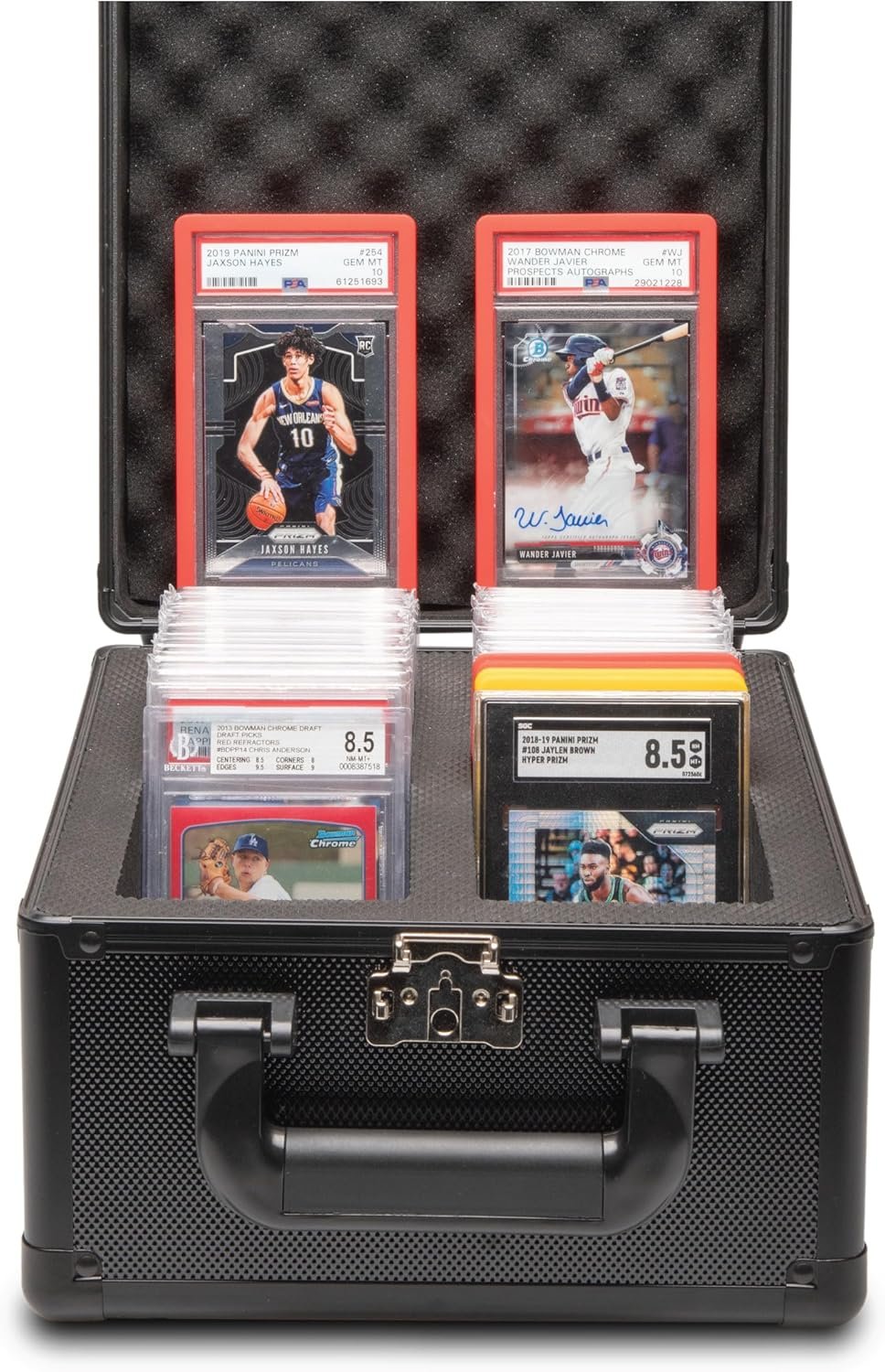
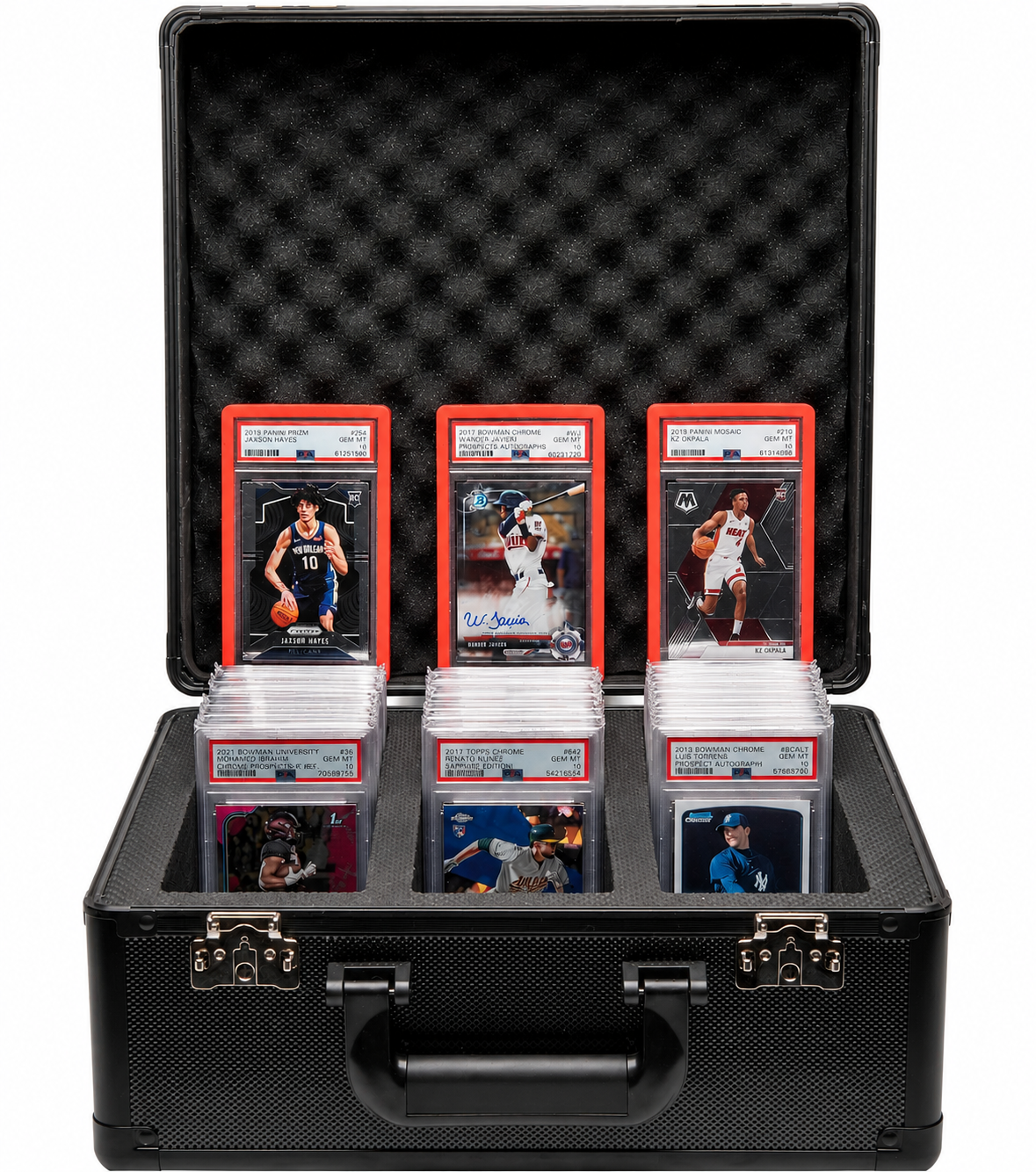
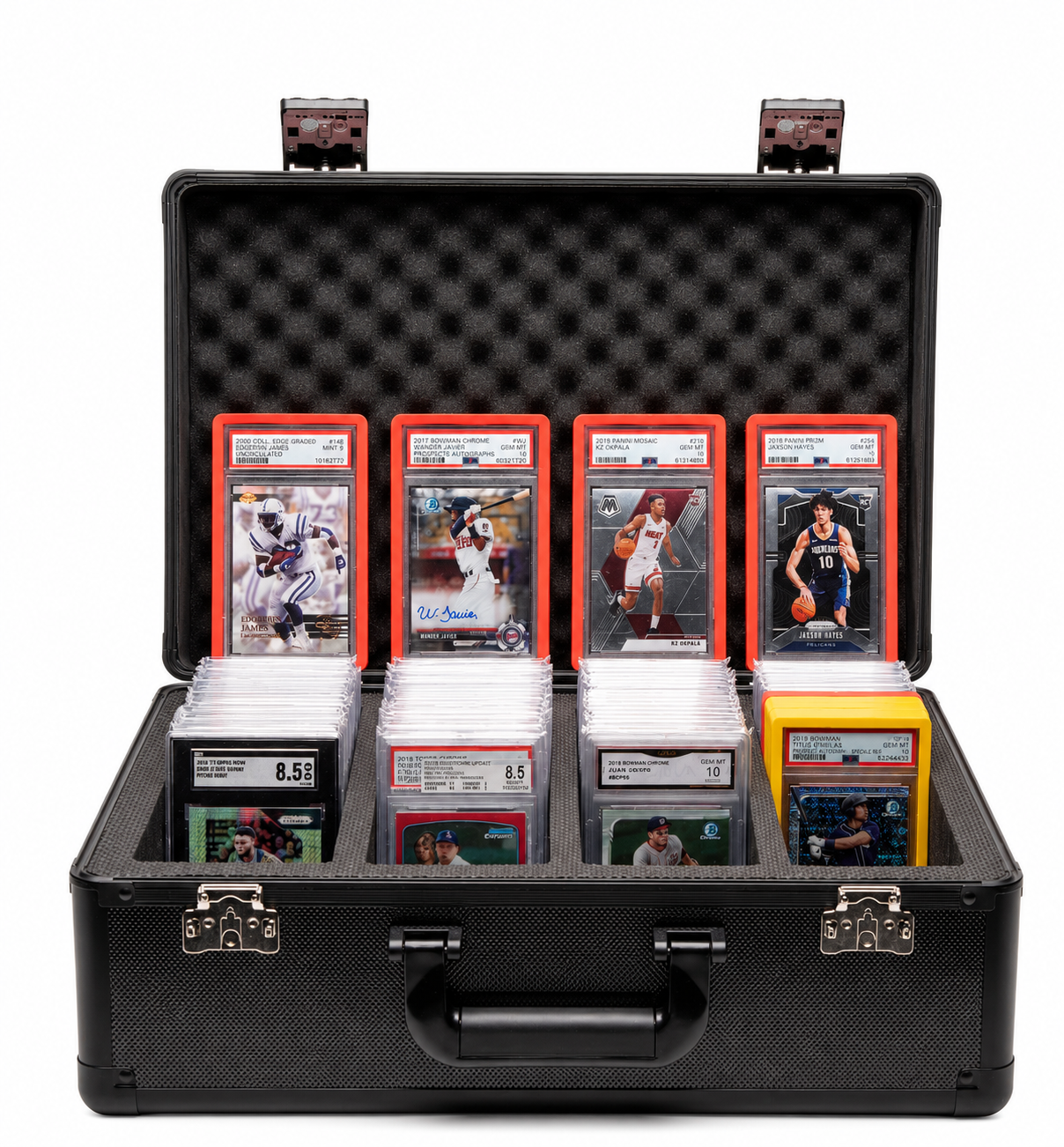
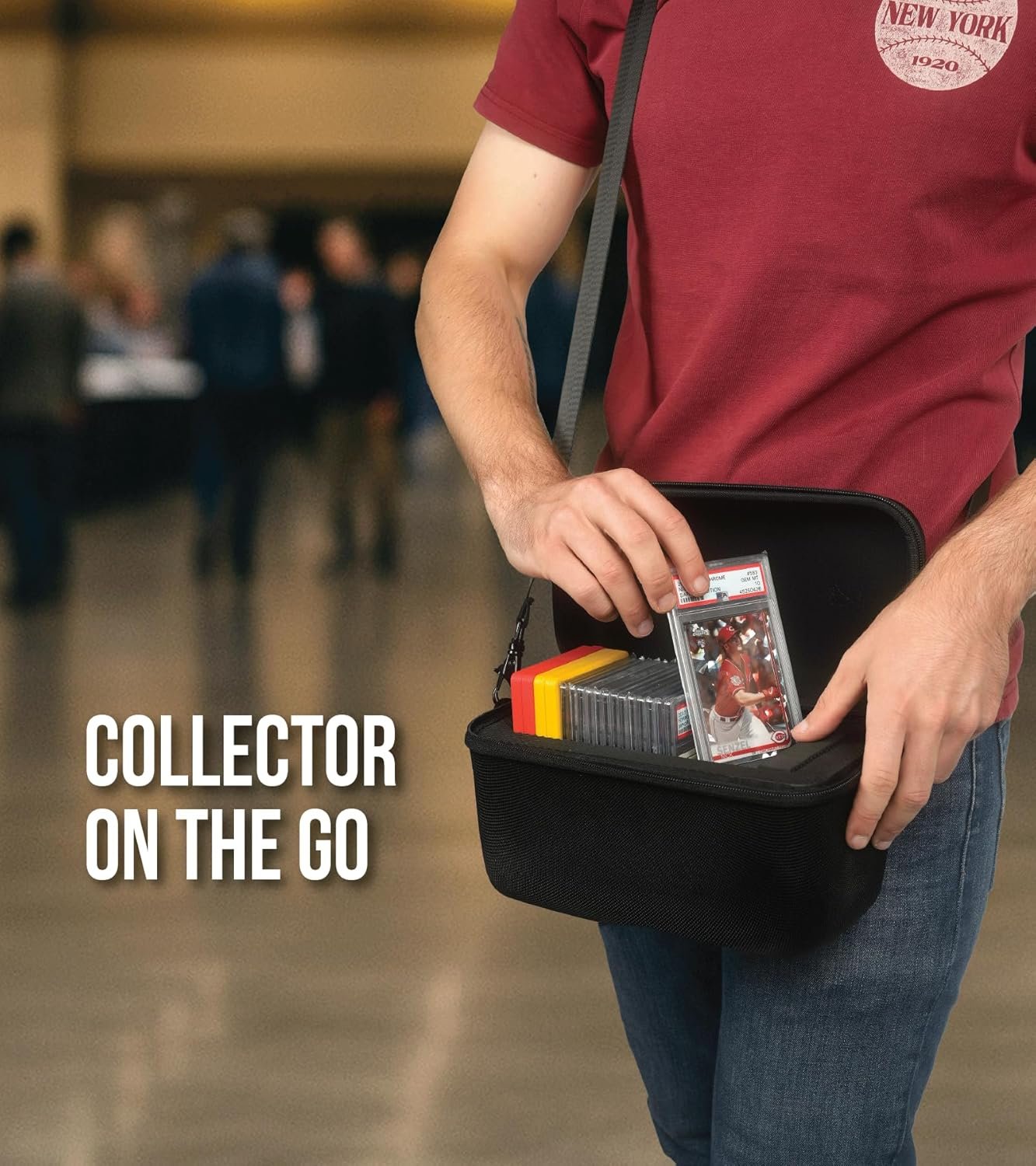
The easiest way to prevent slab-on-slab contact is to keep cards separated with foam dividers. Dedicated graded card storage cases help minimize movement and reduce the risk of scratches during storage and transport.

4. Leaving slabs in hot cars
Temperatures inside a parked vehicle can rise quickly, especially during summer. Even if a PSA slab feels solid, heat can still affect the plastic, the label, and potentially the card inside.
This is especially important for collectors who travel to card shows, trade nights, or conventions. Leaving a case in the car “just for a few minutes” can expose your collection to unnecessary risk.
How to avoid it
- Never leave valuable slabs in a parked car.
- Keep your collection with you when traveling.
- Avoid storing cards near heaters, windows, or direct sunlight.
- Use a rigid case when transporting slabs outside your home.
5. Using cheap plastic storage bins
Many collectors start with generic plastic bins because they are inexpensive and easy to find. For a small collection, this may feel practical at first.
The problem is that most plastic bins are not designed for graded cards. They often allow too much movement, provide limited impact protection, and make it harder to keep slabs properly organized.
How to avoid it
- Avoid loose storage where slabs can slide around.
- Use dividers to separate groups of cards.
- Choose storage that fits PSA slabs properly.
- Upgrade once your collection becomes difficult to manage.
6. Stacking too many slabs horizontally
Stacking slabs horizontally may seem harmless, but large stacks can create pressure on the slabs at the bottom.
This is not always an immediate issue, but over time it can make handling harder and increase the chance of slipping, scratching, or dropping multiple slabs at once.
How to avoid it
- Store slabs vertically when possible.
- Avoid creating tall stacks of graded cards.
- Use rows or dividers to keep cards upright.
- Keep heavier collections in storage designed for slabs.
7. Not using slab sleeves
Slab sleeves are one of the simplest and cheapest ways to protect the outside of a PSA case.
Even if the card inside is protected, the plastic shell can still develop small scratches from handling, storage, or transport. For valuable cards, this small extra layer of protection is usually worth it.
How to avoid it
- Use slab sleeves for high-value cards.
- Replace worn sleeves when they become cloudy or damaged.
- Combine sleeves with proper storage for better protection.
- Avoid sliding unsleeved slabs against each other.
8. Poor collection organization
As collections grow, organization becomes increasingly important. What starts as a handful of slabs can quickly turn into dozens or even hundreds of cards spread across multiple boxes, cases, or shelves.
Without a proper system, collectors often spend more time searching for cards, handling slabs unnecessarily, and increasing the risk of accidental drops or scratches.
Good organization not only protects your collection but also makes it more enjoyable to browse, display, and transport.
How to avoid it
- Organize slabs by set, player, sport, or grading company.
- Use dividers to separate sections.
- Label rows for faster access.
- Keep an inventory of valuable cards.
9. Traveling without proper protection
Card shows, conventions, trade nights, and flights expose collections to significantly more risk than home storage.
A single drop can damage multiple slabs at once. Even minor bumps during transport can cause slabs to shift, rub together, or suffer cosmetic damage.
Collectors who regularly travel should prioritize storage solutions designed specifically for graded cards rather than relying on generic containers.
How to avoid it
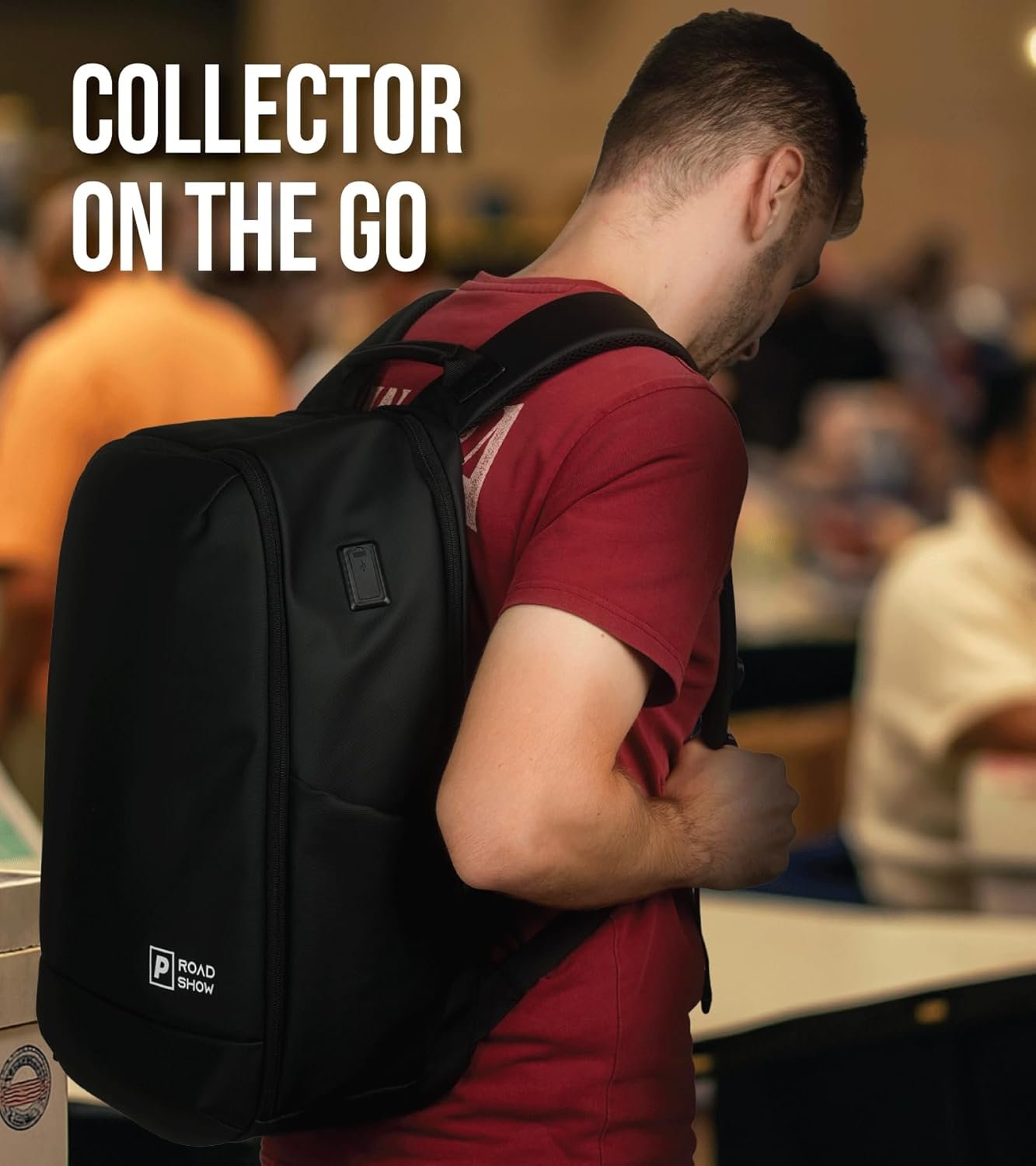
- Use a dedicated case or backpack designed for graded cards.
- Prevent slabs from moving during transport.
- Keep cards organized using dividers.
- Choose rigid storage that can handle impacts.
Collectors who attend card shows often carry dozens of slabs at once. Using dedicated storage designed for graded cards makes transportation easier while helping protect your collection from impacts and unnecessary movement.
10. Waiting too long to upgrade storage
Many collectors begin with a handful of slabs and assume they will not need dedicated storage. Then the collection grows.
What worked for 10 cards rarely works for 100. As collections expand, organization becomes more difficult, transportation becomes riskier, and protecting valuable cards becomes increasingly important.
Planning ahead helps keep collections organized, protected, and easier to enjoy over the long term.
How to avoid it
- Think about future growth when choosing storage.
- Upgrade before your collection becomes difficult to manage.
- Keep storage consistent across your collection.
- Choose solutions that can scale with your needs.
 ```html
Recommended storage setup for PSA collectors
For most collectors, a simple storage setup includes slab sleeves, vertical storage, foam dividers, silica gel packs, and a rigid storage case for transportation.
Collectors with larger collections may benefit from dedicated graded card storage cases that offer organization, impact protection, and easier transport to shows and events.
Looking for a storage solution designed specifically for PSA slabs? Panopply graded card cases are built to keep slabs organized, separated, and easier to transport.
Quick reference guide
| Storage threat | Risk level | Best solution |
|---|---|---|
| Humidity | High | Climate-controlled room + silica gel packs |
| UV exposure | High | Keep slabs away from direct sunlight |
| Slab scratches | High | Use dividers and slab sleeves |
| Extreme heat | Medium | Avoid hot cars and attics |
| Poor organization | Medium | Label rows and use dividers |
| Travel damage | Medium | Use a dedicated graded card case |
Final thoughts
Most storage mistakes happen gradually. Collectors rarely notice humidity damage, UV fading, or slab scratches until the damage has already occurred.
Fortunately, preventing these issues is relatively simple. By controlling humidity, avoiding direct sunlight, organizing slabs properly, and using storage designed specifically for graded cards, collectors can dramatically reduce the risks facing their collections.
Whether you own 10 PSA slabs or 1,000, the goal remains the same: keep your collection protected, organized, and ready to enjoy for years to come.
FAQs
Can PSA slabs get damaged by heat?
Yes. Excessive heat can affect labels, plastic components, and potentially the card itself. Avoid leaving PSA slabs in hot cars, garages, attics, or near windows for long periods of time.
Should PSA slabs be stored vertically or horizontally?
Most collectors prefer vertical storage because it reduces pressure, makes organization easier, and helps prevent slabs from sliding against each other.
Are slab sleeves worth it?
Yes. Slab sleeves are inexpensive and help prevent surface scratches that can impact presentation and resale value.
Is a safe a good place to store PSA cards?
A climate-controlled safe can be an excellent option, especially for high-value collections. If you use a safe, consider adding silica gel packs to help control moisture.
Can humidity damage PSA cards?
Yes. PSA slabs are protective, but they are not completely airtight. Long-term exposure to high humidity can increase the risk of card warping, label issues, or moisture-related damage.
What is the best way to store PSA slabs?
The best setup is usually vertical storage, slab sleeves, dividers, silica gel packs, and a rigid case that prevents movement during storage or transport.